


The Philippines

Motorcycle riding in the Philippines is an incredible experience, especially for those who crave adventure, diverse landscapes, and cultural immersion. My journey started in Luzon, which was both thrilling and scenic, with winding roads and dramatic views, rice terraces and beautiful beaches.
From Manila, I flew to Cebu with all my riding gear and switched bikes to explore the island. I completed nearly a full loop around the island. I went diving and tried canyoneering, even took on the zipline for an extra adrenaline rush.
My journey continued with a flight to Palawan, where I based myself in El Nido and rode around on a CRF 125. The terrain there was just as exciting—I climbed razor-sharp limestone cliffs and finally fulfilled a long-time dream of riding a motorcycle along the beach.
There was still so much left to see and do, but this trip alone showed me just how perfect the Philippines is for motorcycle travel. With its mix of rugged terrain, stunning coastlines, and unique experiences, it’s a destination I’ll definitely return to one day.
La Union
La Union, often called "Elyu" by locals and visitors, is a coastal province in the Philippines' Ilocos Region on the island of Luzon. It is most famous as the "Surfing Capital of the North," particularly the town of San Juan, which draws crowds for its consistent waves and vibrant beach culture.
I was only there for one night but it was a really lovely place with good food and really nice beach vibez.


Baguio City
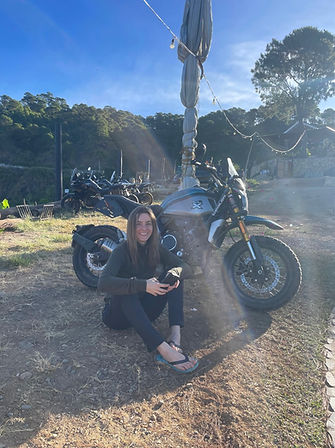
Camp Khawa is a private mountain campsite and boutique lodge located in the Loakan area of Baguio City, approximately 25–30 minutes from the city centre. It is popular for its panoramic mountain views, "sea of clouds" sightings, and its peaceful, secluded atmosphere.
Key Features & Activities
-
Camping & Glamping: The site offers both traditional tent pitching and camping huts for those seeking a more comfortable stay.
-
Café Khawa: An on-site ridge-top café serving local and fusion dishes, such as smoked duck breast and smoked pork sandwiches, with viewing decks oriented toward the horizon. However it wasn't open when I was there.
-
Scenic Views: Guests can overlook Kennon Road and the Lion's Head from certain spots on the campsite.
-
Tranquil Environment: Unlike the busier central tourist spots, it is described as a "reset button" focused on stillness and nature rather than a fast-paced itinerary.
Visitor Information
-
Booking: It has a strict no walk-in policy, so reservations must be made in advance through their Facebook page or website.
-
Fees: Expect an entrance fee (approx. ₱250/head) and separate charges for tent pitching (ranging from ₱500 to ₱900 depending on tent size) or car camping (approx. ₱800).
-
Facilities: Includes clean bathrooms, wash areas, electricity access (extension cords available upon request), and is pet-friendly.
-
Accessibility: The roads are paved and passable by most common vehicles, though the campsite itself may have rocky terrain.



Bessang Pass


Bessang Pass is a high-altitude mountain pass and a protected Natural Monument located in the municipality of Cervantes, Ilocos Sur. It is famously known as a major World War II battlefield where Filipino and American forces secured a pivotal victory against the Japanese Imperial Army.
Historical Significance
-
The Battle of Bessang Pass: Fought from January to June 14, 1945, it was one of the most difficult and significant battles in the Philippines.
-
Defeating the "Tiger of Malaya": The victory by the USAFIP-NL (mostly Filipino guerrillas) breached the "triangular defence" of General Tomoyuki Yamashita, eventually leading to his surrender in Ifugao.
-
Commemoration: A historical marker and monument stand at the pass to honour the 3,400 men killed or wounded during the campaign.
Natural Monument & Tourism
-
Scenic Views: Situated at an average elevation of 1,377 metres, the pass offers breathtaking panoramic views of the Cordillera mountain range.
-
Ecotourism: The area is a protected 581-hectare park featuring pine and mossy forests, diverse wildlife (including 29 bird species), and the Bessang Creek.
-
Rider's Favourite: The road is a popular destination for motorcycle riders due to its long, winding climbs and steep terrain.
Batad Rice Terraces
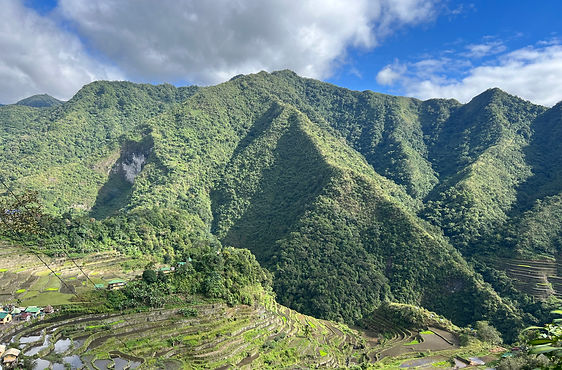
The Batad Rice Terraces are a UNESCO World Heritage site located in the municipality of Banaue, Ifugao. Often described as a massive "amphitheatre of rice," these 2,000-year-old structures were carved by hand into the mountainsides by the Ifugao people and remain in active use today.
Key Highlights
-
Amphitheatre View: The village of Batad sits at the base of a valley, surrounded by cascading stone-walled terraces that rise steeply up the mountain slopes.
-
Tappiya Falls: A challenging 45-to-60-minute trek from the village leads to this powerful 70-metre waterfall, which is a popular spot for a refreshing swim.
-
Awa View Deck: For the most iconic panorama, hikers can trek up to this high vantage point to see the entire Batad cluster from above.
-
Traditional Culture: You can stay in authentic native Ifugao huts and witness traditional rice farming, milling, and weaving processes.
Planning Your Visit
-
Best Time to Visit: The terraces are at their most green and lush from April to July. They turn golden during the harvest months of July and August. From December to March, they may appear brown or muddy as the paddies are being prepared.
-
Fees & Guides: There is a ₱50 environmental fee. While the main paths are relatively easy to follow, hiring a local guide is highly recommended for navigation and cultural context.
-
What to Expect: There is no road access to the village; be prepared for significant walking and steep stone steps. Mobile signal and Wi-Fi are extremely limited.
My Tour Guide's Story:
About 2,000 years ago there were two brothers of the Igorot people, Ummangar and Alanghabon. They were two warriors from the same tribe out hunting boar for thier village when they came upon a clearing. One of the brothers, Alanghabon, liked the place so much he would stay there and build a farm for more of thier people to live on. Ummangar decided to continue hunting the boar up over the next mountains and was suprised to find another beautiful valley. He also decided to stay. They planted sweet potato and it grew. When it was time for harvest the two brothers went back together to thier village. They told the other villagers about the places they found and asked if some of them wanted to build together.
As more people came to the new two farms, the villages grew. Alanghabon’s village became known as Cambulo and Ummangar’s village became Batad. As time passed the villages began building the little pools for the rice patties as well. The village originated for the center of the valley and then slowly started spreading out up onto the sides of the mountains. Everything was built by hand or with simple tools and as more and more people were born and grew so did the rice terraces. The region was prone to heavy rain fall att times so the stone walls and pools were carefully built in with an elaborate irrigation system that let the excess water run down the terrace steps and this still exists today.



Cebu
Cebu, known as the "Queen City of the South," is a premier province in the Philippines' Central Visayas region. It is a unique blend of urban sophistication, rich colonial history as the country's oldest city, and diverse natural wonders spanning from rugged mountains to world-class diving spots.
I completed nearly a full loop around the island. In Oslob, I went diving with whale sharks which was such an incredible experience both to see such magnificent creatures but also to breathe underwater for the first time. At Kawasan Falls, I tried canyoneering and even took on the zipline for an extra adrenaline rush.



DIVING
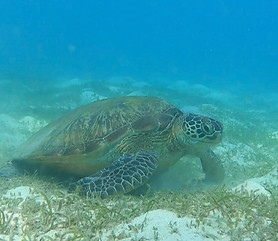
I did my dive with Asyong who was really kind and positive at Deep Zone Dive Center in Oslob. A single Discover Scuba Dive (for beginners without certification) typically costs between $50 and $75 USD (approx. ₱2,800 to ₱4,200). For certified divers, the cost of a "fun dive" is generally lower.
After my dive I wanted to learn more about whale sharks. I was sad to find that this isn't thier natural habitat and that choosing to do this may harm the whale sharks. According to national geographic whale shark watching in Oslob is a subject of significant controversy within the marine conservation community. While it has brought substantial economic growth to the local community, it is widely criticised for practices that can harm the sharks' natural health and behaviours.


CANYONEERING
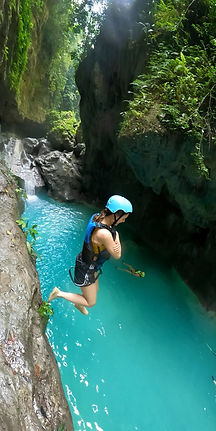
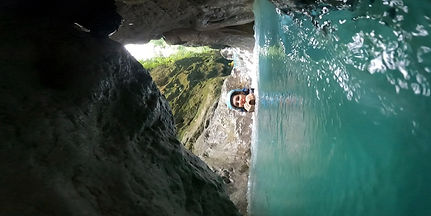
Kawasan Falls Canyoneering in Badian, Cebu, is an adrenaline-packed adventure that involves trekking, swimming through turquoise river trails, and leaping off cliffs ranging from 3 to 15 metres. Adding the Badian Zipline at the start is a popular "shortcut" that lets you soar over the jungle canopy instead of taking a 45-minute uphill trek to the first jump-off point.




The Natural and Cultural Origins
Long before it became a household name for travellers, the falls were locally known as Manayupan Falls. The name "Kawasan" is derived from the Cebuano word for "cascade."
The falls are part of the Matutinao River system, fed by the Kabukalan Spring high in the mountains of Badian. Geologically, the water's famous milky-blue or turquoise tint comes from high concentrations of limestone (calcium carbonate) in the rock formations. As the water flows through these canyons, it picks up the minerals, creating the surreal glowing effect seen in the pools today.
The Tourism Boom (1980s–2010s)
In the early 1980s, the local government of Badian began developing the area to attract visitors. They built the initial footpaths and bridges that allowed people to trek from the highway to the main falls. For decades, it was primarily a destination for Filipino families to enjoy picnics and "balsa" (bamboo raft) rides under the main curtain of water.
The site’s global reputation exploded in the mid-2010s with the rise of canyoneering. This high-adrenaline sport—involving cliff jumping and trekking through the river canyons starting from the neighbouring town of Alegria—turned Kawasan from a scenic picnic spot into the "Adventure Capital of Cebu."
PALAWAN
Palawan is consistently ranked as one of the best islands in the world and is often called the Philippines' "Last Frontier". It is a massive archipelago province featuring dramatic limestone landscapes, hidden lagoons, and some of the world's most significant biodiversity.
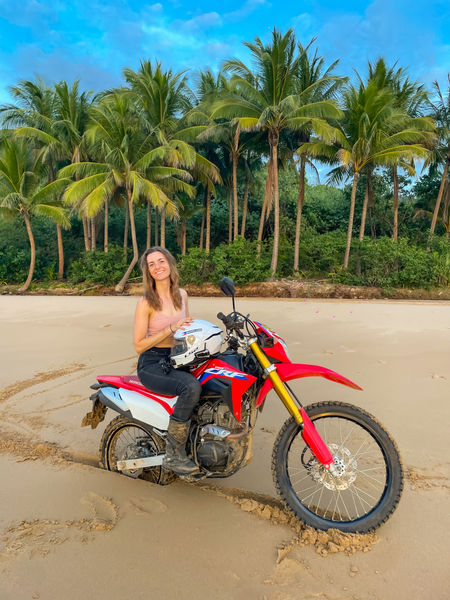
I based myself in El Nido and rode around on a CRF 125. The terrain there was just exciting with lots of little dirt roads! I climbed the razor-sharp limestone cliffs of Taraw and fulfilled a long-time dream of riding a motorcycle along the beach at Duli Beach. I also took a boat trip to Drocotan Island, where I climbed a massive treehouse, relaxed in hanging mats, and enjoyed fresh coconuts and ice cream.


Free climbing the Taraw Cliff (also known as Taraw Peak) in El Nido, Palawan, is an intense, high-risk adventure activity that involves scrambling up vertical, razor-sharp limestone karst formations without ropes or safety harnesses. The climb is popular for sunrise views of Bacuit Bay but requires excellent physical condition and a local guide to navigate the dangerous, unmarked path. Do not attempt this without a guide and safety gloves, the rocks are volcanic rocks and are super slippery and sharp like blades.
If you love adventure like me and feel physically fit then I highly highly highly recommend doing this. It definitely gave me the adrenaline rush I am so highly addicted to.


Duli Beach is a secluded, 2-kilometer stretch of golden sand at the northern tip of El Nido, Palawan, celebrated as the region's surfing capital. Unlike the more crowded Nacpan Beach, Duli offers a peaceful, "untouched" vibe with a jungle backdrop and clear blue waters.
Duli Beach is a critical sea turtle nesting site. Riding on the sand can compact the sand or crush nests buried just below the surface. Please be very careful where and if you ride here. The area is managed with a focus on conservation, and disturbing the habitat with motorised vehicles is generally frowned upon by the local community and the Duli Beach Resort. However we found a section that was clear and kept to that part for our riding and photoshoot.

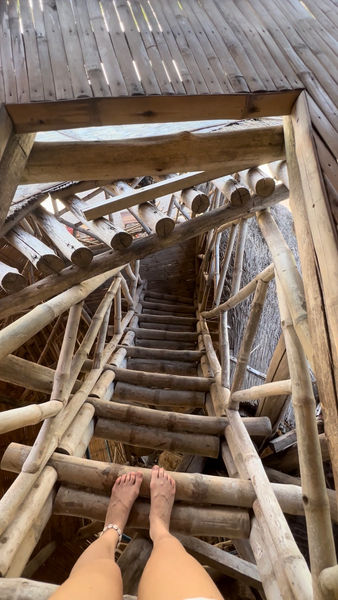

Drocotan Island was beautiful and on the island you can find DRYFT Darocotan Island, a remote & eco-friendly glamping resort. It is designed for travellers seeking an off-grid "castaway" experience, focusing on sustainability, wellness, and artistic design. The main house was a giant tree house with lots of hanging mats and really cool interior with almost everything made of bamboo and straw.
There was still so much left to see and do, especially to visit Coron and all the beautiful dive sites there. But this trip alone showed me just how perfect the Philippines is for motorcycle travel. With its mix of rugged terrain, stunning coastlines, and unique experiences, it’s a destination I’ll definitely return to one day.